Adriatic coast and walled cities
Everything travellers usually ask before a trip to Croatia. Can't find your answer? We're a message away.
May and September-October offer the best balance of sunshine, warm-enough seas and fewer crowds. Summer (June-August) is hottest and liveliest but busiest and priciest, while winter is quiet and cheapest with some coastal closures.
Croatia joined the Schengen area in 2023, so many nationalities can enter visa-free for up to 90 days within any 180-day period. Travelers from visa-required countries need a Schengen visa. Check the current rules for your nationality before you travel.
About a week lets you combine Dubrovnik, Split and an island or two along the Dalmatian coast. Ten days to two weeks allows you to add Plitvice, Zadar, Istria and Zagreb.
Croatia is a very safe country with low crime rates and is well set up for tourism. Use normal precautions against petty theft in crowded areas and take care on the water and coastal roads.
Bring light summer clothing, swimwear, sun protection and water shoes for pebbly beaches, plus a layer for cooler evenings in shoulder season. Casual dress is fine, with modest attire for churches.
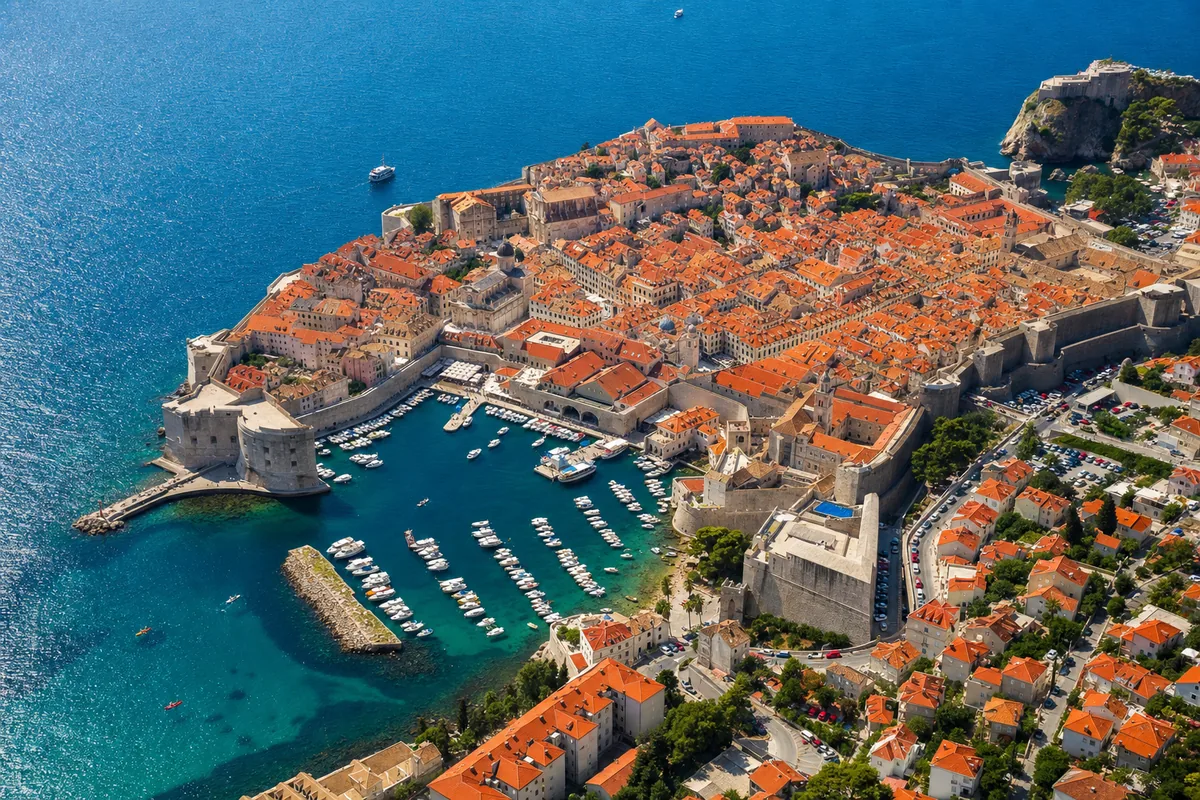
Walking Dubrovnik's ancient city walls above the Adriatic, then setting sail to hop between the Dalmatian islands, captures the essence of Croatia. A visit to the turquoise lakes of Plitvice adds a natural highlight.
Try fresh Adriatic seafood, black cuttlefish risotto, Istrian truffles and Dalmatian peka (meat and vegetables slow-cooked under a bell). Pair meals with excellent local wines and olive oil.
Yes; with historic venues, coastal resorts, good transport and abundant hotels, Croatia is popular for group tours, weddings and incentive travel. Cities like Dubrovnik, Split and Zagreb offer strong event infrastructure.
Our team is happy to help you plan every detail.